

基本信息
| 出生地 | China (Mainland) |
|---|
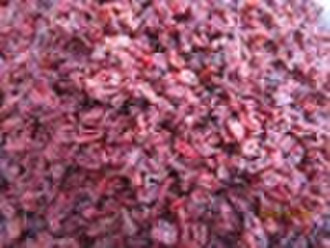
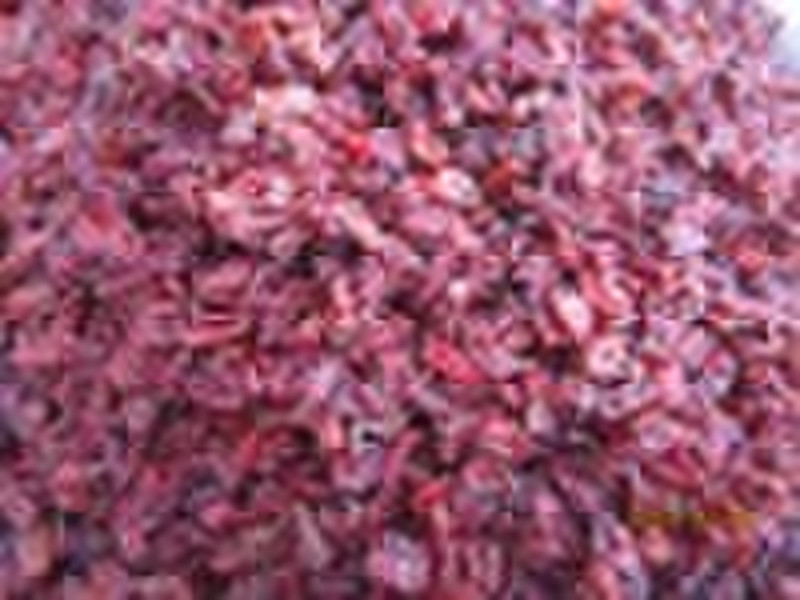
Cornus is a type of tree found in the woodland regions of China and Korea. It grows to a height of about 30 feet, and contains fleshy, green oval-shaped leaves and small, berry-shaped fruit. Both the fruit and bark are used medicinally, but for different conditions. The fruits are harvested when ripe, then dried for future use. They can also be eaten as food, either raw or cooked. Cornus has been a part of traditional Chinese medicine for more than 2,000 years. The fruit is associated with the kidneys and reproductive system (and to a lesser extent, the liver), and is characterized as being slightly warm and having a sour taste. Cornus is rarely taken alone, but is often used in formulas that control body fluids and treat excessive sweating and urination. Cornus may also be used in formulas that treat tinnitus, dizziness and extreme shock; extracts may be effective against the salmonella and shigella bacteria. In some cases, cornus bark is used as an astringent to treat fevers and combat malaria.
付款条款
Letter of credit
Telegraphic transfer

-
支付方式
我们接受: